Simple Safety Tips to Help Protect Your Family, Friends, and Property During Your Fourth of July Festivities
Fourth of July is one of America's favorite holidays and it's a time to enjoy Independence Day with your family and friends.
Unfortunately, every year more than 11,000 people are sent to the emergency room for fireworks-related injuries, and in a typical year about eight to 10 people are killed by fireworks.
On top of that, fourth of July fireworks start an average of 18,500 fires every year, including 1,300 structure fires, 300 vehicle fires, and 16,900 outside fires, according to the National Fire Protection Association.
But you can take steps to protect your family and your property so that you don't have to be one of those statistics. It all comes down to common sense and respecting the power of the fireworks.
Mind the Sparklers
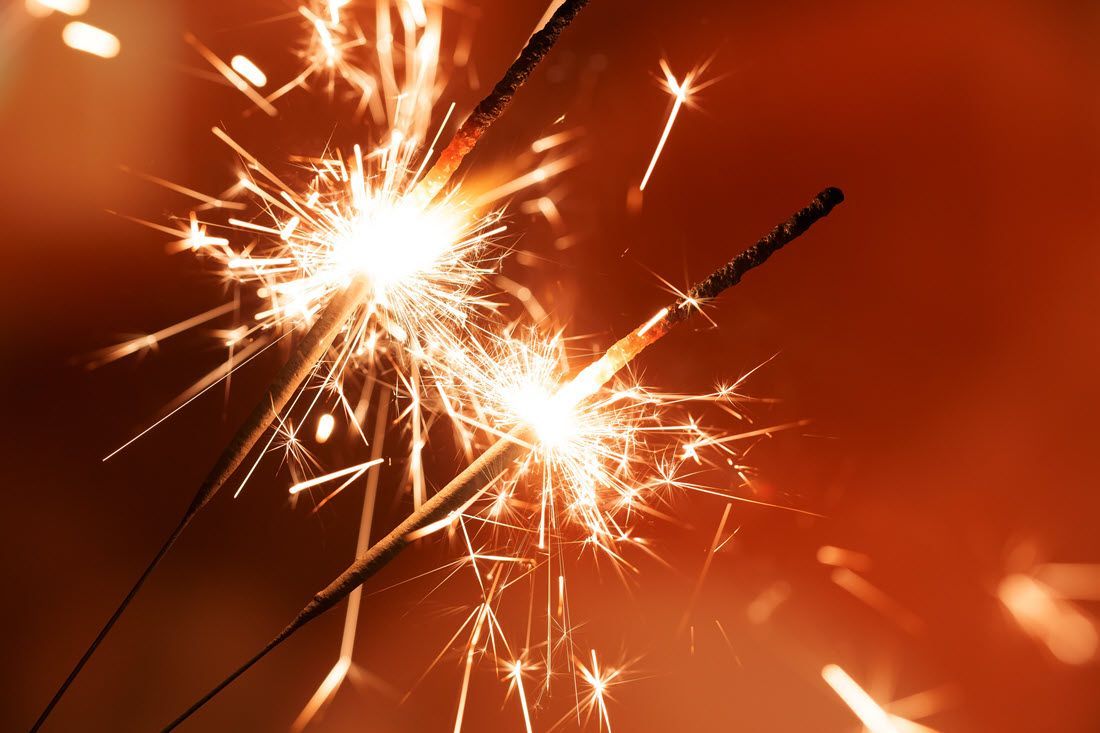
Usually these are known as "kiddie" fireworks, but you may be surprised to know that they cause one-quarter of the house fires and emergency room fireworks injuries on Fourth of July.
- Sparklers are best handled by people aged 12 and older. Children younger than 12 require extreme supervision.
- Everyone handling sparklers should wear closed-toe shoes, and not flip-flops or sandals, to protect their feet from sparks.
- Keep a bucket of water to place sparklers in after they finish sparkling; they are still hot and dangerous.
Adult Supervision
Always have an adult vigilantly supervise fireworks activities and never allow children to play with or ignite fireworks.
Keep a Safe Distance from Your Home
If you are going to use fireworks at home, be sure you're lighting them in a safe area. A “safe area” means away from homes, buildings, trees, and bushes.
If your gutters have accumulated leaves, pine needles, or other flammable material, clean them before using fireworks near your home. If you're leaving town for the holiday, ask a neighbor to keep an eye on your house.
Be Prepared for the Worst
If you set off fireworks, keep a bucket of water handy in case of malfunction or fire. A fire extinguisher should be kept nearby in case of an emergency, especially if you are lighting fireworks on your street.
Follow Instructions
Always follow instructions for lighting fireworks. If fireworks malfunction, don't relight them! Douse and soak them with water, then throw them away. Also, never ignite fireworks in a container, especially one that is glass or metal.
Stay Away from Others
Don't aim fireworks at other people. They can cause severe injury.
By taking a few simple precautions and using common sense, you can enjoy a fun, memorable, and safe Fourth of July while helping protect your loved ones, your neighbors, and your property.