Eat for Your Health
Eating well is one of the simplest ways to support long-term health. While no food can cure or prevent disease on its own, many everyday foods contain nutrients that help strengthen the immune system, reduce inflammation, and support overall wellness. The good news? Many of these foods are both familiar and delicious.
Colorful Fruits and Vegetables
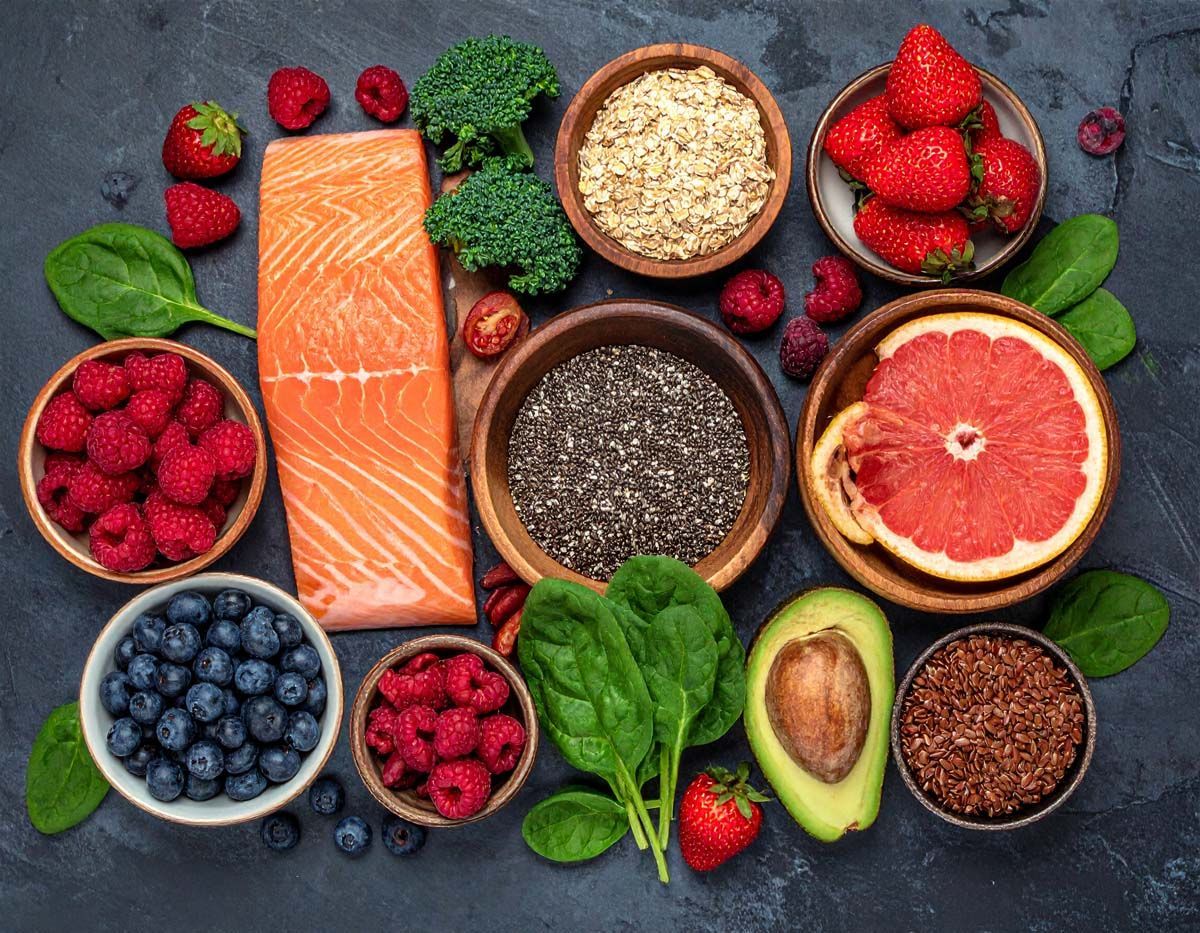
Fruits and vegetables are packed with vitamins, minerals, and antioxidants that help protect the body from cell damage. Berries like blueberries, strawberries, and raspberries are especially rich in antioxidants that support brain and heart health. Leafy greens such as spinach and kale provide essential nutrients like vitamins A, C, and K, along with fiber that supports digestion and cardiovascular health. A simple rule of thumb is to add more color to your plate—each color offers different health benefits.
Healthy Fats That Support the Heart
Not all fats are created equal, and healthy fats play an important role in fighting disease. Fatty fish such as salmon and sardines contain omega-3 fatty acids, which are known to support heart health and help manage inflammation. Plant-based options like walnuts, chia seeds, flaxseeds, and avocados provide similar benefits and are easy to add to meals or snacks.
Whole Grains and Plant Proteins
Whole grains and legumes help fuel the body while supporting stable blood sugar and digestive health. Foods like oats, quinoa, brown rice, beans, and lentils are high in fiber and nutrients that may reduce the risk of heart disease and support weight management. These foods also help you feel full longer, making them a smart choice for everyday meals.
Herbs, Spices, and Gut-Friendly Foods
Small additions can make a big impact. Garlic has long been associated with immune support, while turmeric contains curcumin, a compound known for its anti-inflammatory properties. Fermented foods such as yogurt, kefir, sauerkraut, and kimchi contain probiotics that support gut health—which plays an important role in immunity and overall wellness.
Small Changes, Big Benefits
Healthy eating doesn’t require drastic changes. Simple steps like adding an extra serving of vegetables, choosing whole grains more often, or enjoying fish once or twice a week can support better health over time. When paired with preventive care, good nutrition becomes another powerful way to invest in your well-being.
Eating well should be enjoyable, not stressful. With so many tasty foods that also support your health, fighting disease can begin with something as simple as your next meal.